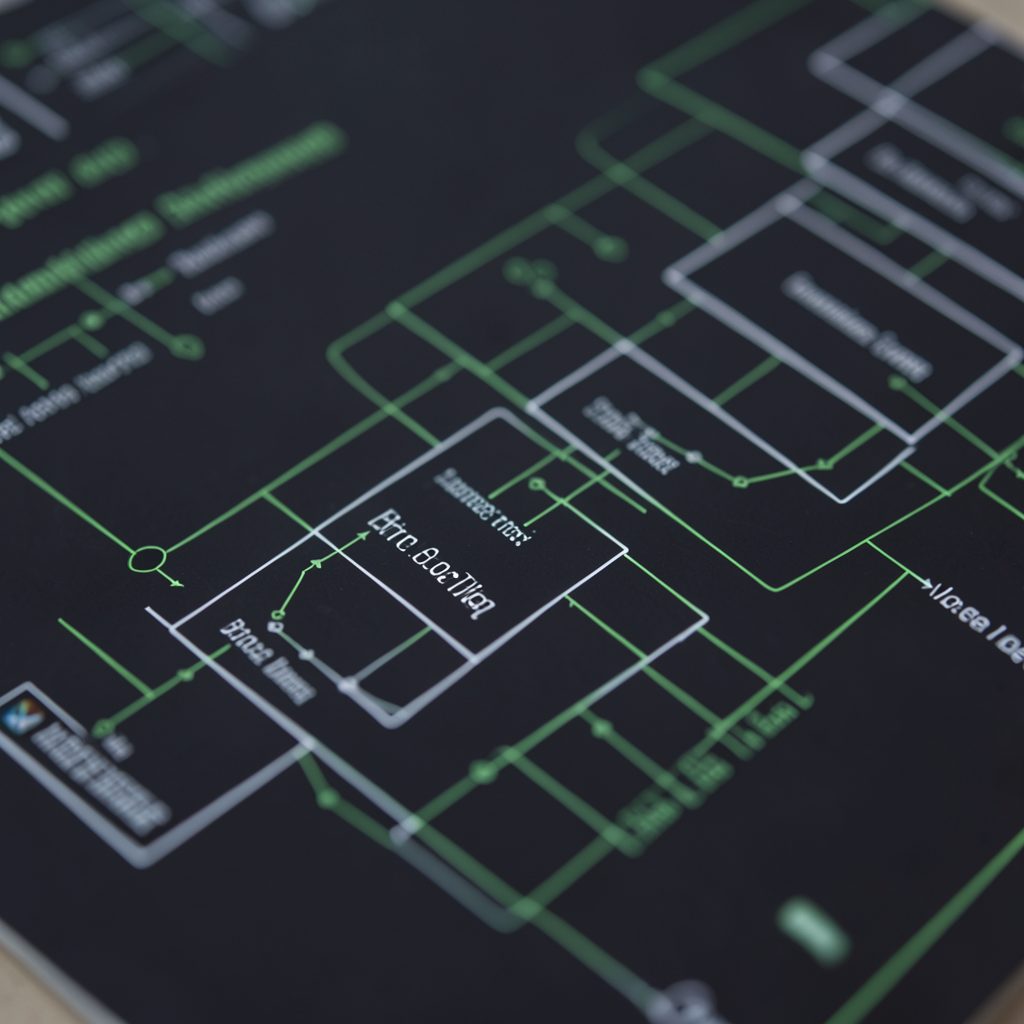


ISUP automatic congestion control for network overload
ISUP Automatic Congestion Control (ACC) is the SS7-based mechanism used by switching networks to respond when call processing exceeds available capacity. Defined through ITU-T Q.763 procedures, it provides congestion feedback between peers so that new traffic can be managed before poor service spreads across the PSTN.
In practice, ACC is not a capacity upgrade or a voice codec. It is a traffic-control response to overload in ISUP: an overloaded exchange reports its condition to an adjacent node, which can alter where fresh call attempts are offered. The same ISUP logic can run over legacy TDM or modern IP/SIGTRAN bearer networks, although transport congestion remains a separate issue.
Where congestion sits and what ACC signals
Overload can originate in switching capacity, central processing, signalling queues or downstream resources. The response must be matched to the layer that is actually constrained rather than treating every failed call as the same event.
The mechanisms address different failure domains:
| Mechanism | Main concern | Typical action | Effect on calls |
|---|---|---|---|
| ACC congestion response | ISUP processing exceeds capacity | Informs a peer so traffic can be redirected | Existing calls normally continue |
| Call release | A call attempt cannot proceed | Ends that attempt | No conversation is established |
| MTP3 resource management | Scarce signalling resources | Avoids constrained signalling paths | Reduces delivery pressure |
| IP transport controls | Packet loss, latency or queue growth | Admission control, policing or rerouting | Protects transport reachability |
ACC belongs to the ISUP call-processing layer. It should not be confused with MTP3 resource management, which protects scarce signalling links, or with an IP bearer’s packet-queue controls. The distinction matters because diverting a call to another route does not help if every route shares the same exhausted processor.
How the overload response changes traffic
ACC uses supplementary signalling to convey congestion state and enable a coordinated response. The congested side can indicate overload; the peer then applies call-selection and traffic-management measures, such as avoiding a stressed transit path or reducing repeated attempts. These actions influence new calls rather than abruptly clearing conversations already in progress.
“Automatic” means the feedback and response occur without manual operator intervention, not that capacity appears automatically. ACC also complements release-and-retry logic: a release ends an attempt, whereas a congestion indication gives the next exchange information it can use. In SIGTRAN deployments, packet loss must first be ruled out as a transport problem rather than being labelled ISUP congestion.
Keeping congestion handling observable
Useful monitoring combines ACC exchanges with ISUP setup latency, processing load, release-cause distributions and MTP3 resource indicators. A sustained rise in signalling delay matters more than a single busy interval, because thresholds based only on instantaneous load can produce unstable routing decisions.
Security controls must also remain distinct. A forged or misconfigured peer identity can distort traffic management just as it can distort routing, so source-point code verification belongs in the same operational review even though it does not measure capacity.
Australian conditions that shape overload events
Australian traffic patterns make overload management particularly relevant to social and workplace calls. Sydney and Melbourne experience pronounced mobile-originated demand around CBD approaches, railway stations, shopping centres and event venues, while fixed-line calls also cross several interconnecting networks.
An everyday habit sharpens the issue: commuters on Sydney Metro peak services are asked to keep phone conversations off, yet calls begun on platforms, beside stations or in lifts can trigger setup attempts as coverage changes. Melbourne’s tram corridors and station approaches create similarly concentrated bursts, even when the number of people travelling remains stable.
The local market includes Telstra, Optus and numerous wholesale, regional and virtual operators, so a bottleneck may sit in interconnection rather than the radio access network. Any prioritisation policy must also remain consistent with carrier obligations under the Telecommunications Act 1997 and the regulatory environment overseen by the Australian Communications and Media Authority. The broader protocol background in Amir Zhantassov’s telecom writing helps teams connect ISUP overload management with SS7 security and protocol design.
Controls that improve the overload response
A useful operating policy separates prevention, detection and recovery. These measures are designed for carrier network teams:
- Separate signalling congestion from bearer congestion, recording whether repeated attempts result from ISUP releases, MTP3 resource indicators or IP transport alarms.
- Set congestion thresholds around sustained ISUP processing delay and setup throughput, and document which peer switches receive an overload indication.
- Route new attempts toward spare capacity while preserving existing-call traffic and any established emergency-service priority arrangements.
- Rehearse responses with carrier peers, including how congestion state is withdrawn when the bottleneck clears and capacity returns to normal.
Each control needs an owner, a review date and an audit trail. Automatic feedback can reduce the impact of overload, but capacity expansion remains the durable remedy when congestion persists beyond the response window.
Turning the response into a controlled network routine
An overload event becomes manageable when the network team can show what changed, which switch acted and whether traffic moved as intended. ACC evidence should be retained alongside call-setup failures, resource-management logs and peer confirmations, giving operators a defensible account of their response.
A short post-event review should separate the original trigger from secondary effects such as retries and update thresholds only after agreed validation. The next step is a controlled peak-hour overload simulation involving switching, security and operations teams, producing agreed thresholds and rollback actions before the next traffic peak.